September 22, 2026
Remodeling can transform much more than the physical appearance of a home. A thoughtfully planned project can improve comfort, organization, functionality, energy efficiency, and the way household members interact with their surroundings. Whether homeowners are updating an outdated room or completing local kitchen remodels, strategic improvements can make everyday routines easier while creating spaces that better reflect personal tastes. Remodeling can also address changing lifestyle needs and help a property remain useful for years to come.
The Psychological Benefits of a Newly Remodeled Space
A comfortable and attractive home can have a meaningful influence on mood and overall well-being. Rooms that feel dark, crowded, outdated, or poorly organized may contribute to frustration, while redesigned spaces can create a more relaxing atmosphere. According to Houston Agent Magazine, 64% of homeowners expressed a greater desire to spend time in their homes after remodeling. This demonstrates how improving the physical environment can also change the way people feel about being at home.
Completing a remodeling project can also create a sense of accomplishment. Homeowners participate in decisions involving layouts, materials, colors, fixtures, storage, and other details that shape the finished space. Seeing those ideas become a functional part of the home can strengthen the feeling of ownership. Projects such as local kitchen remodels can be especially rewarding because kitchens are frequently used spaces where design decisions have a noticeable impact on everyday life.
Remodeling may also reduce some of the stress associated with clutter and inefficient layouts. Adding storage, improving traffic patterns, or creating dedicated areas for specific activities can simplify household routines. Instead of constantly working around limitations in the original design, homeowners can create surroundings that support how they actually live. Better organization may make cleaning, cooking, entertaining, and relaxing more manageable.
Increasing Home Functionality Through Remodeling
One of the greatest advantages of remodeling is the ability to reconsider how available square footage is used. An awkward room can be redesigned for a clear purpose, while underused areas may be converted into offices, guest spaces, storage areas, or entertainment rooms. Changes to cabinetry, shelving, furniture placement, and room configurations can make previously inconvenient spaces much more practical.
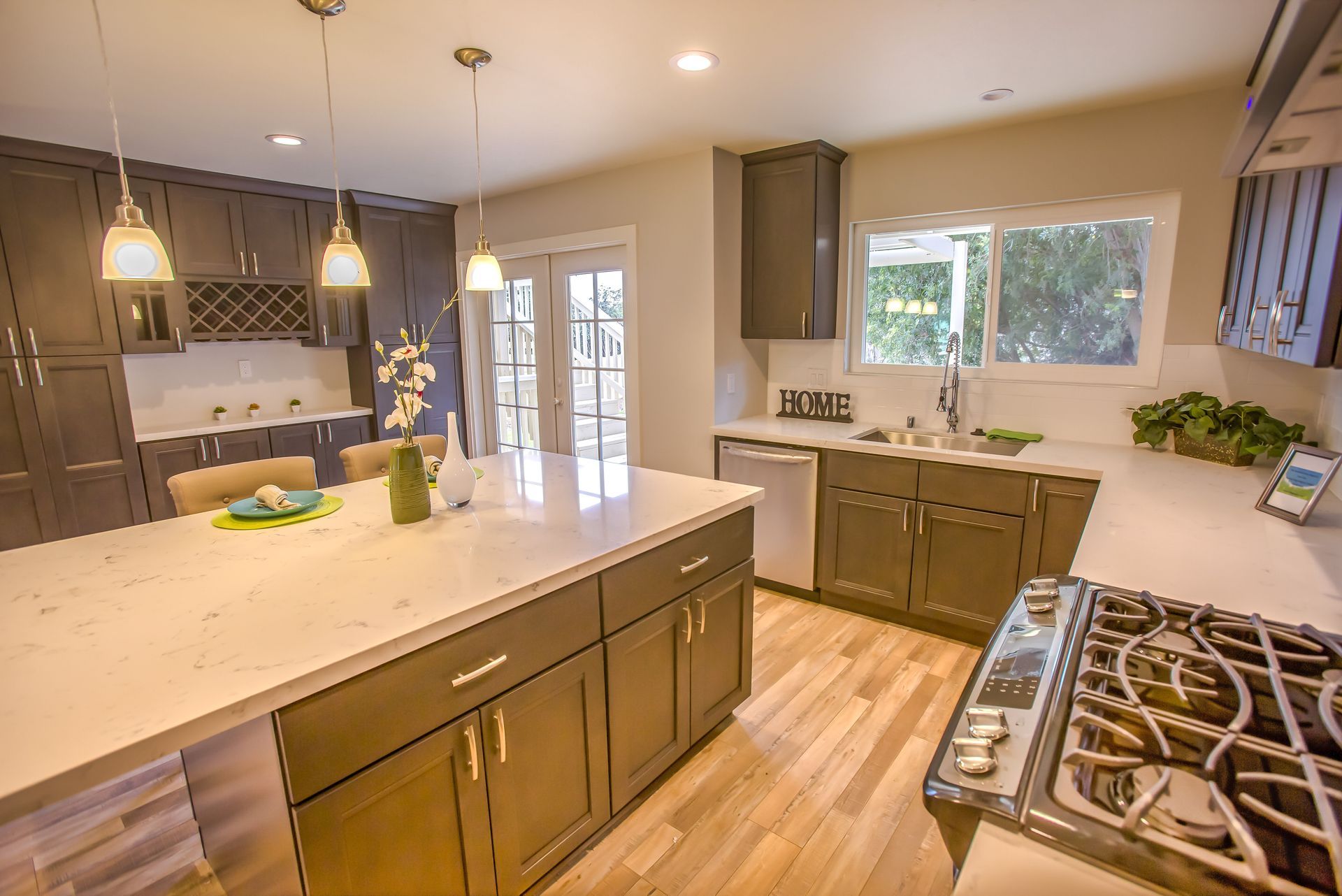
Kitchens are particularly important when evaluating functionality because they involve numerous daily activities. During local kitchen remodels, homeowners may reconsider countertop placement, cabinet accessibility, appliance locations, lighting, and walking paths. Creating convenient work zones can reduce unnecessary movement while preparing meals. Additional storage can also keep frequently used cookware, utensils, and ingredients within easy reach.
Remodeling can also help homes accommodate changing circumstances. Families may need additional bedrooms, remote workers may require dedicated offices, and older homeowners may benefit from accessibility improvements. Wider pathways, improved lighting, accessible storage, and fewer physical barriers can make a home more comfortable for people with different needs. Planning ahead helps ensure improvements continue providing value as household requirements evolve.
Creating Flexible Spaces for Modern Lifestyles
Modern households frequently need individual rooms to perform more than one function. A spare bedroom might double as an office, while a dining area could provide space for homework or hobbies. Remodeling allows homeowners to incorporate flexible storage, movable furnishings, built-in work areas, and other features that make transitions between activities easier.
Smart technology can further improve flexibility and convenience. Lighting, thermostats, security devices, and certain appliances can be controlled remotely or programmed according to household routines. These features can reduce repetitive tasks while providing homeowners with greater control over their surroundings. When incorporated during remodeling rather than added afterward, technology can often blend more naturally into the overall design.
Boosting Home Aesthetics and Personalization
Remodeling provides an opportunity to create a cohesive design that reflects individual preferences. Homeowners can select colors, flooring, cabinetry, countertops, fixtures, and architectural details that complement one another. Rather than accepting finishes chosen by a previous owner, they can create an environment that feels personally meaningful and consistent throughout the property.
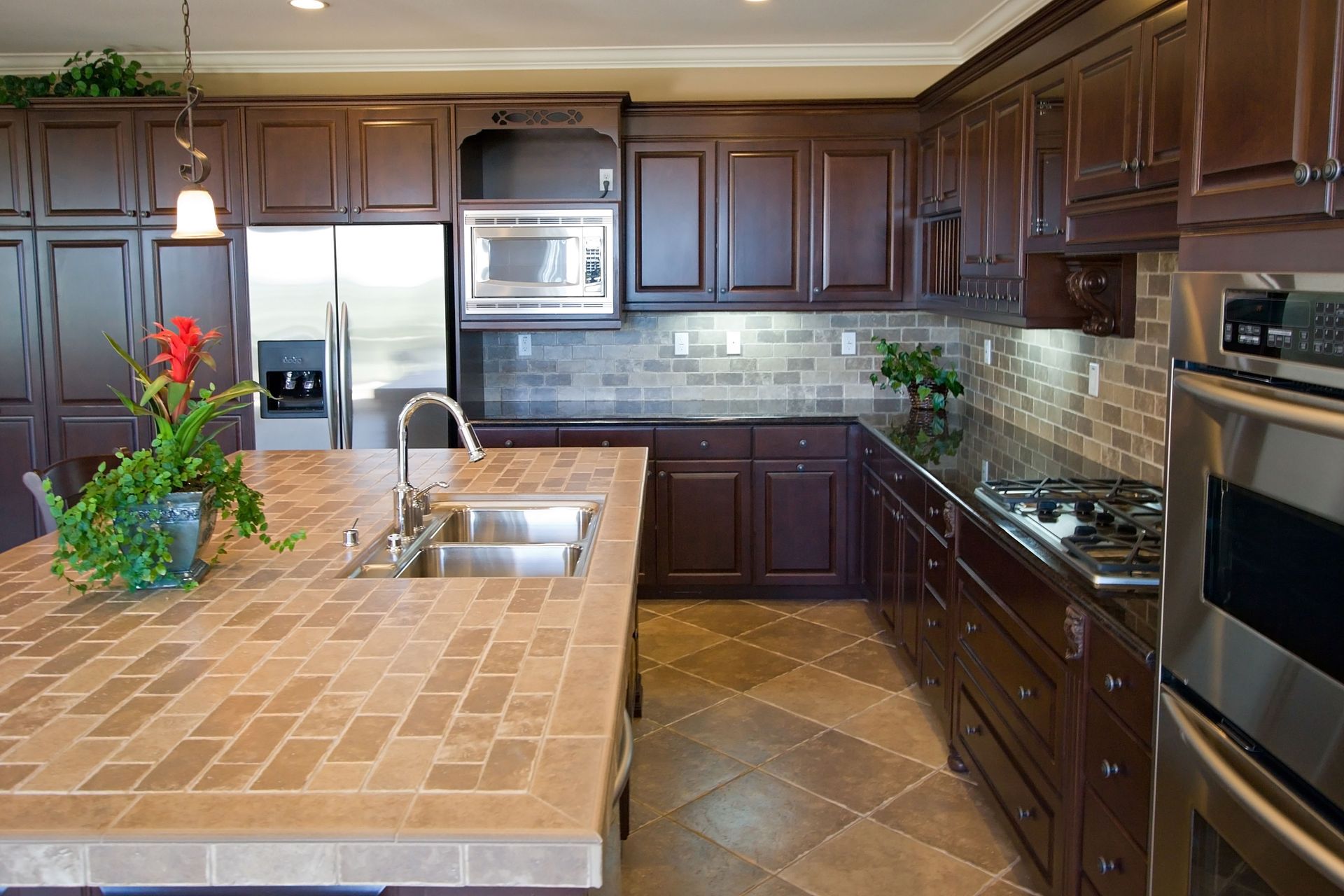
Personalization is particularly noticeable in local kitchen remodels because kitchens offer numerous opportunities for customization. Cabinet styles can establish a traditional, transitional, contemporary, or minimalist appearance, while countertops and backsplashes introduce texture and visual interest. Hardware, faucets, lighting, and flooring provide additional opportunities to coordinate the room without sacrificing practical considerations.
Lighting is another important design component. A combination of ambient, task, and accent lighting can make rooms more comfortable and useful throughout the day. Natural light can also be emphasized through window placement or changes to interior layouts. Thoughtful lighting makes it easier to complete tasks while highlighting architectural details, artwork, and decorative elements.
Improving Storage and Everyday Organization
Insufficient storage is a common source of household clutter, and remodeling creates opportunities to address the problem directly. Built-in shelving, customized closets, deeper drawers, wall-mounted storage, and carefully planned cabinetry can provide designated places for everyday belongings. Effective storage does not necessarily require adding square footage; it often depends on using existing space more intelligently.
For example, local kitchen remodels can incorporate pantry cabinets, pull-out shelves, drawer organizers, corner storage solutions, and dedicated areas for small appliances. These features help keep countertops clearer while making supplies easier to locate. When storage is designed around household habits, maintaining an organized environment can become considerably easier.
Energy Efficiency and Sustainability Improvements
Remodeling is also an opportunity to improve energy efficiency. Older windows, inadequate insulation, inefficient lighting, and aging appliances can increase household energy consumption. Replacing these components with efficient alternatives may reduce utility use while improving indoor comfort. Homeowners can also consider low-VOC paints, durable flooring, recycled materials, and responsibly sourced products when environmental impact is an important consideration.
Energy-efficient appliances can be particularly useful when updating kitchens and laundry areas. Modern refrigerators, dishwashers, ovens, and other appliances may use fewer resources than aging models while providing updated features. During local kitchen remodels, appliance upgrades can be coordinated with cabinetry and electrical improvements so that the room functions as a unified system rather than a collection of unrelated updates.
Improved insulation and windows may provide benefits throughout the year by limiting unwanted heat transfer. Better temperature control can reduce the workload placed on heating and cooling equipment. These improvements can also address drafts and temperature inconsistencies, helping rooms remain more comfortable during seasonal weather changes.
Reducing Future Maintenance Needs
A remodel provides an opportunity to replace worn components before they cause larger problems. Aging plumbing fixtures, damaged flooring, deteriorating surfaces, and outdated electrical components can be addressed while walls or floors are already accessible. Handling several related improvements within one coordinated project may prevent homeowners from repeatedly disrupting the same area.
Material selection can influence future maintenance as well. Durable surfaces that resist moisture, stains, scratches, or everyday wear may require less attention over time. Homeowners should consider not only how a material looks when installed but also how it will perform under expected household conditions. Choosing materials appropriate for the location can help preserve the remodeled appearance longer.
By evaluating current challenges and planning around long-term needs, homeowners can create spaces that continue supporting their lifestyles well into the future. Thoughtful remodeling can make rooms easier to navigate, maintain, organize, and enjoy while providing opportunities for personalization and efficiency. Ultimately, transforming a home is not simply about changing surfaces or following trends; it is about creating an environment that contributes meaningfully to everyday comfort, connection, and satisfaction. Contact our team at Francis X. White Builder today and learn more about our kitchen remodeling services.